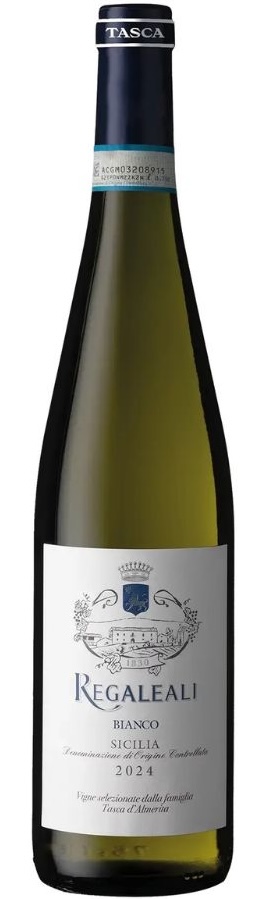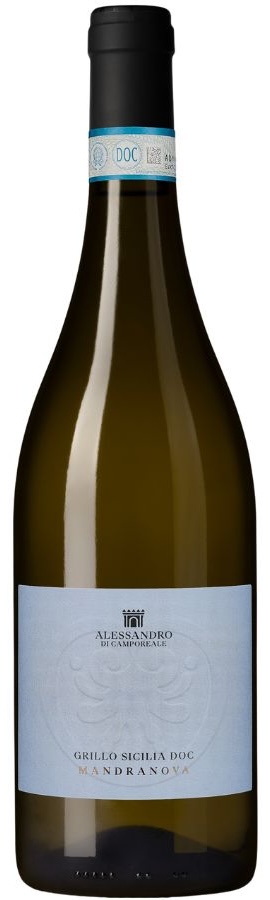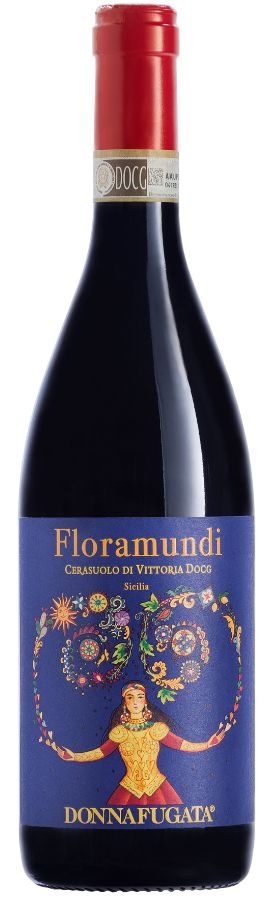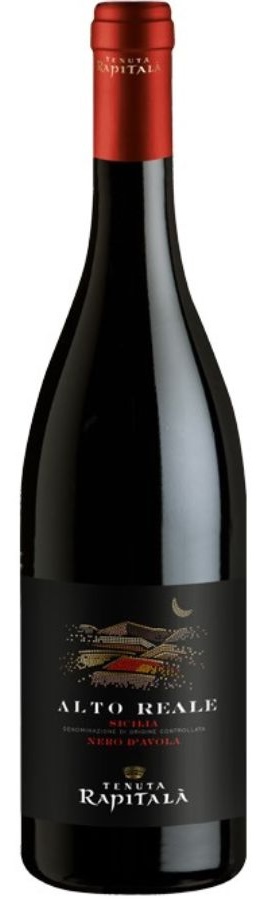
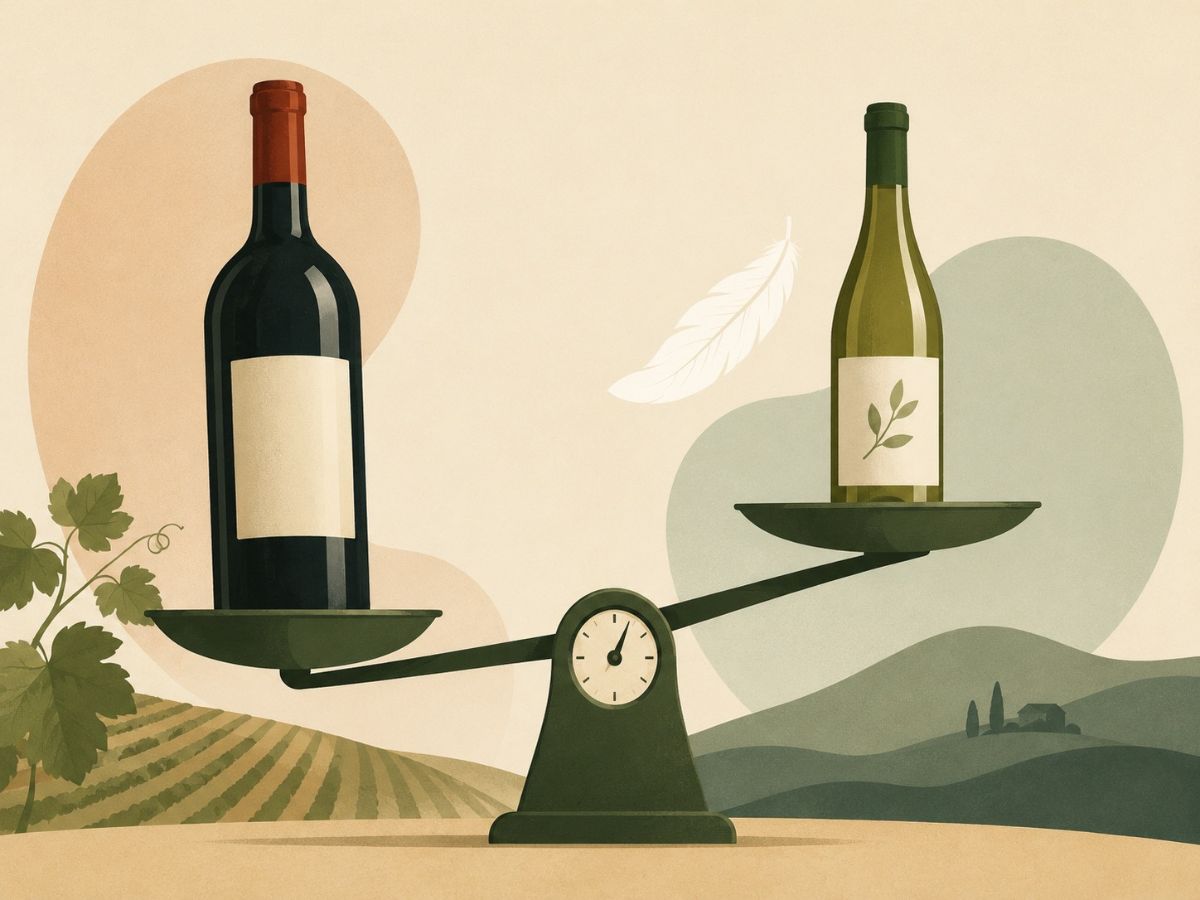
Consumers increasingly look for organic and sustainable wine certifications when buying wine, but in Sicily, producers are also asking a broader question: what about the bottle itself? While consumers have become more attentive to what happens in the vineyard, far less attention is paid to one of wine’s most visible components, like the bottle that carries it.
For decades, bottle weight has functioned as a visual and tactile shorthand for quality, particularly in premium wine categories. Heavy glass signals seriousness. Luxury. Age-worthiness. Pick up two bottles from the same shelf and many consumers will instinctively assume the heavier one is more valuable.
The environmental cost of that perception, however, is becoming harder to ignore.
According to studies used by SOStain, packaging and transport account for roughly 74% of wine’s total emissions footprint, while viticulture and winemaking each represent closer to 13%. Glass production is energy intensive, and heavier bottles require more fuel during shipping and distribution, particularly in an industry built around global export.
That doesn’t mean bottle weight is the only sustainability issue that matters. Farming practices remain central to conversations around biodiversity, soil health, and chemical use, while transport logistics can significantly alter overall emissions depending on where and how a wine moves through the supply chain. But packaging has increasingly emerged as one of the wine industry’s most immediate and measurable opportunities for reduction.
In Sicily, some producers are beginning to treat it that way.
At the centre of the island’s broader sustainability push is SOStain, founded in 2020 as Italy’s first structured sustainability programme created specifically for the wine sector. Built around ten minimum environmental requirements and independently verified standards, the certification framework establishes measurable benchmarks for participating wineries rather than voluntary sustainability guidelines.
One of its core initiatives focuses on lightweight glass bottles produced locally using recycled Sicilian glass. The programme’s signature “Cento per Cento Sicilia” bottle weighs 360 grams for a standard 750ml format — considerably lighter than the 500 gram average many premium wine bottles currently use throughout the industry.
But for Alberto Tasca, chairman of SOStain, the issue is not simply about making bottles lighter. It’s about rethinking what sustainability in wine actually includes. “Our program is built on the principle that sustainability is not declared, it is measured,” he says.
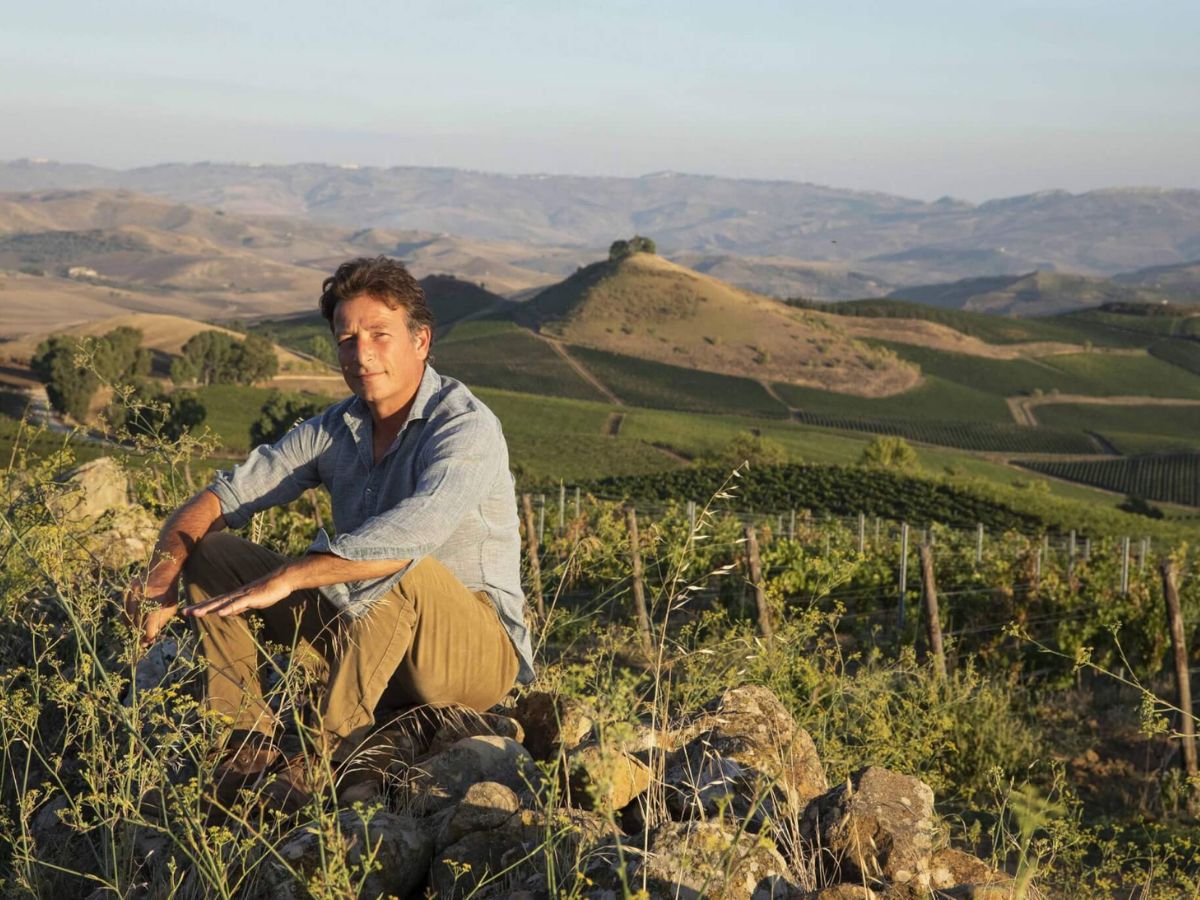
Alberto Tasca, SOStain Chairman. Photo courtesy of tascadalmerita.it
That distinction is important in an industry where sustainability claims can often feel broad or difficult for consumers to verify. Under the SOStain framework, requirements are independently audited every two years rather than left to voluntary interpretation.
The initiative also addresses another challenge that has historically slowed adoption across the broader wine world: infrastructure. “What makes the Sicilian model unique is that the bottle is not only lighter — it is also local,” Tasca explains.
The bottles are produced by O-I Glass at its facility in Marsala using more than 90% recycled glass collected through Sicily’s own waste management system. The result is a tightly regional loop in which collection, recycling, and bottle production all happen within the island itself.
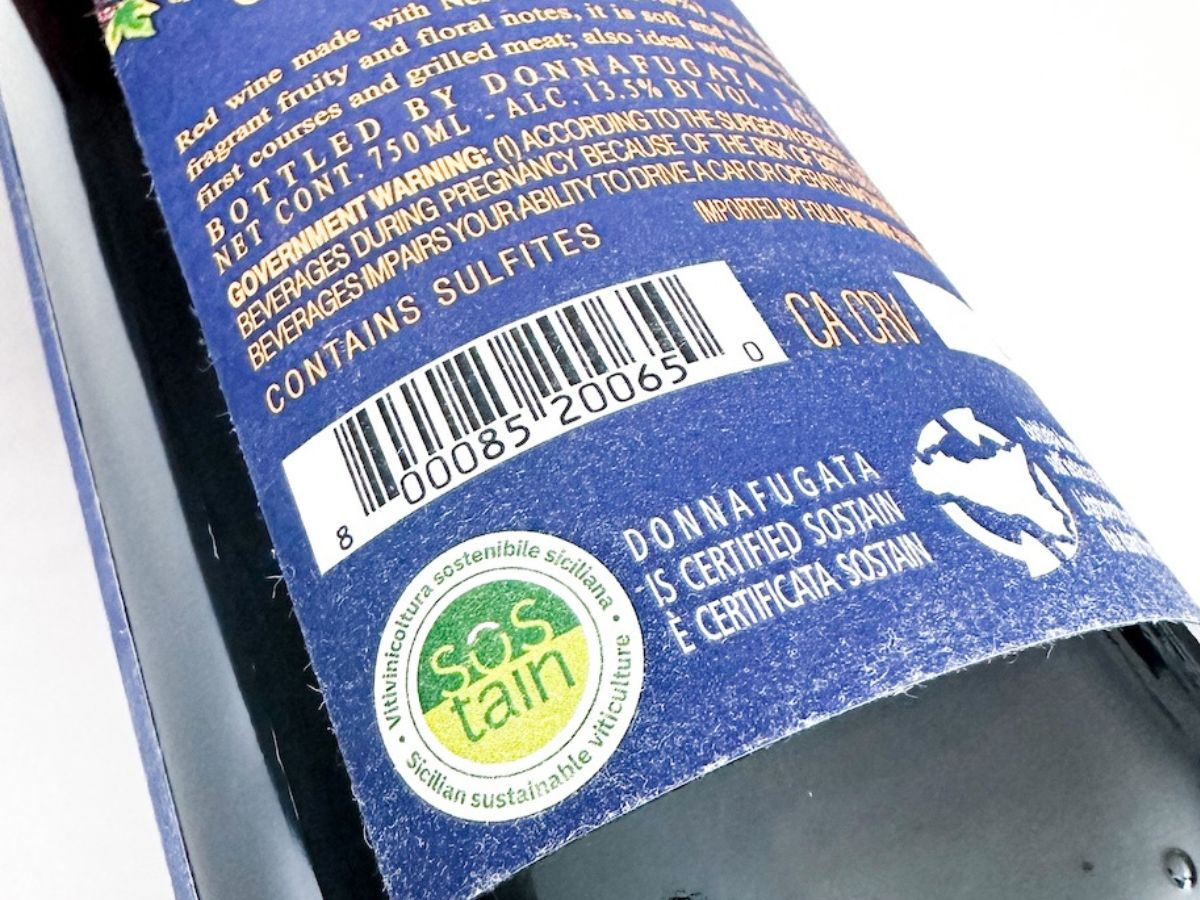
SOStain Certification on a Sicilian wine bottle.
Since 2023, SOStain-certified wineries have used more than 11 million of the lightweight bottles, suggesting the initiative has already moved well beyond pilot-project status.
That local integration is a crucial part of the equation. Lightweight bottles alone do not automatically guarantee lower emissions if glass must travel long distances before bottling or distribution. Sicily’s advantage lies in the coordination between wineries, municipalities, recycling systems, and manufacturing infrastructure; a model easier to execute within a geographically concentrated region than in many fragmented global wine markets.
Still, the broader shift underway may be cultural as much as logistical. “The idea that heavier bottles necessarily reflect higher quality is increasingly outdated,” Tasca says.
The wine industry has been slow to fully abandon that association, particularly in luxury categories where presentation remains deeply tied to perceptions of value. Producers attempting to reduce bottle weight have often faced concerns about how consumers — and sometimes collectors or buyers — will interpret the change.
Yet wineries adopting lighter bottles are increasingly finding that environmental responsibility and premium positioning are not mutually exclusive. Tasca points to the evolution of his family’s own winery, Tasca d’Almerita, where lightweight bottle adoption has increased significantly in recent years while the estate continued to receive major international recognition, including European Winery of the Year honours from Wine Enthusiast.
Having spent time in Sicily in 2024, what stands out is how naturally these conversations increasingly extend beyond farming alone. Sustainability on the island is often discussed less as a marketing category and more as a practical question of systems: water, energy, agriculture, transport, packaging. The bottle has simply become part of that broader recalibration.
For consumers, the takeaway is not necessarily to stop looking for organic or sustainable certifications. Rather, it is to widen the lens through which sustainability is understood.
“For a consumer standing in a wine shop trying to make a more sustainable choice, the most direct physical signal is the actual weight of the bottle,” Tasca explains.
Transparency matters too. Producers genuinely prioritizing sustainability increasingly disclose measurable information around bottle weight, recycled materials, emissions targets, and packaging choices rather than relying solely on vague environmental language. Excess packaging, like oversized bottles, elaborate presentation boxes, unnecessary plastic components, also adds impact without necessarily adding value.
None of this suggests that consumers should judge a wine entirely by the weight of its bottle. Lighter glass is not a universal sustainability solution, nor does heavy glass automatically signal poor environmental practices. But as more producers begin reassessing packaging alongside farming, the relationship between weight and quality appears to be shifting.
And perhaps that is the larger change unfolding across parts of the wine world. Sustainability is no longer confined to what happens in the vineyard. Increasingly, it includes how wine is packaged, transported, and presented — and whether “premium” still needs to feel heavy in the hand to justify its place on the table.
Related SOStain Sustainable Wines